
Septic Solutions in Southern Oregon — Excavation Only

Tank excavation, drain field trenching, and clean site prep for licensed septic installers. We handle the dirt — your installer handles the system.

The Excavation Side of Septic Work

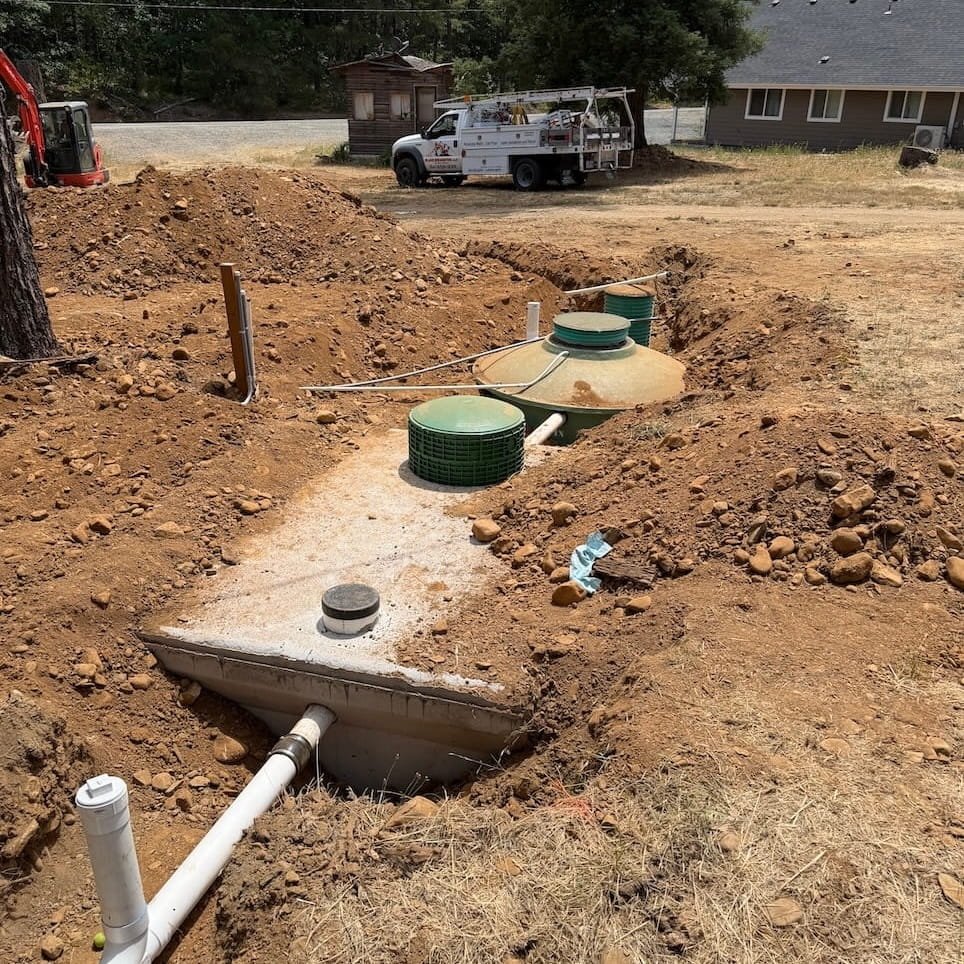
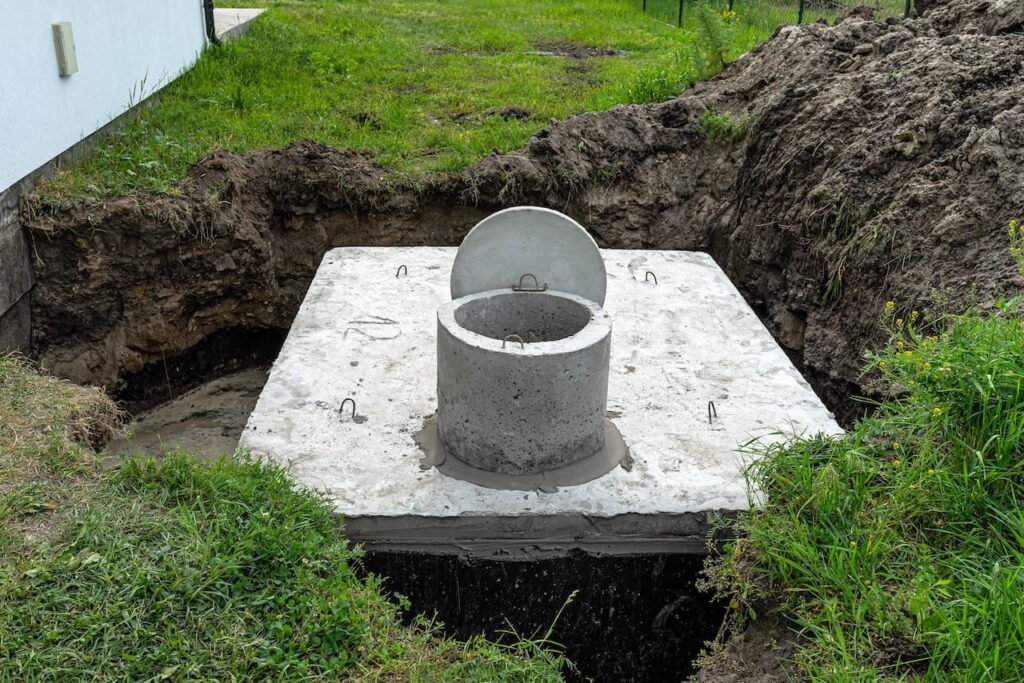
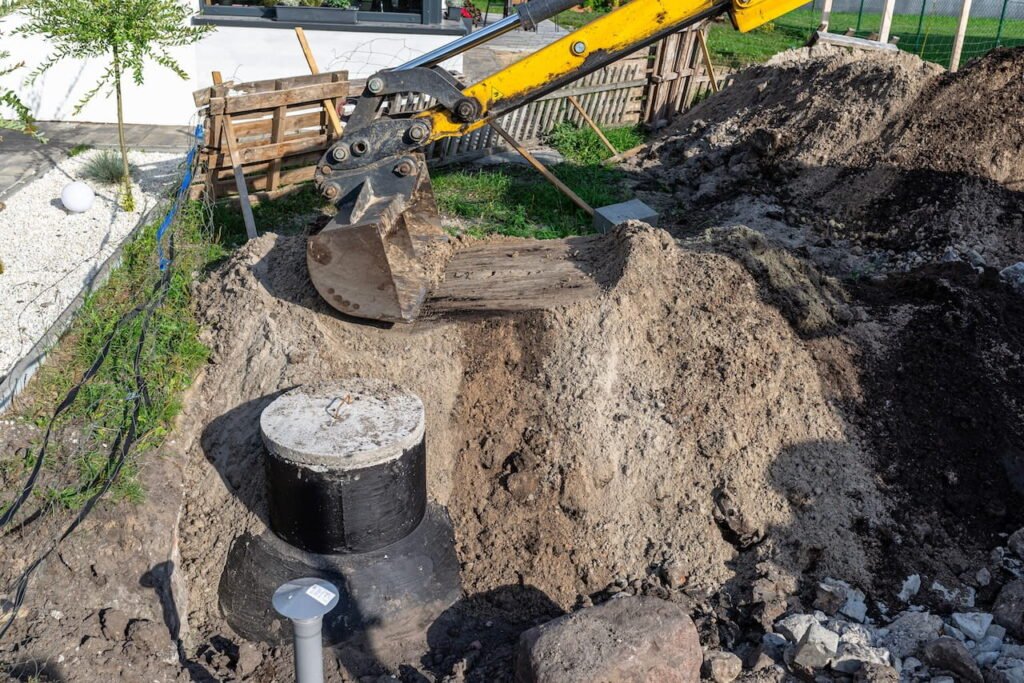
Septic systems require precise, code-compliant excavation. Tanks need level pads at exact depth. Drain fields need consistent trench depths and proper slope. Get any of it wrong and the system can fail inspection — or fail entirely a year in.


Blake Excavation provides the excavation portion of septic work for homeowners, builders, and licensed septic installers across Southern Oregon. We do not install the septic system itself — that’s a separately licensed trade — but we make sure the hole, the trenches, and the site are exactly right when the installer arrives.


We handle:

  • Tank excavation and pad prep
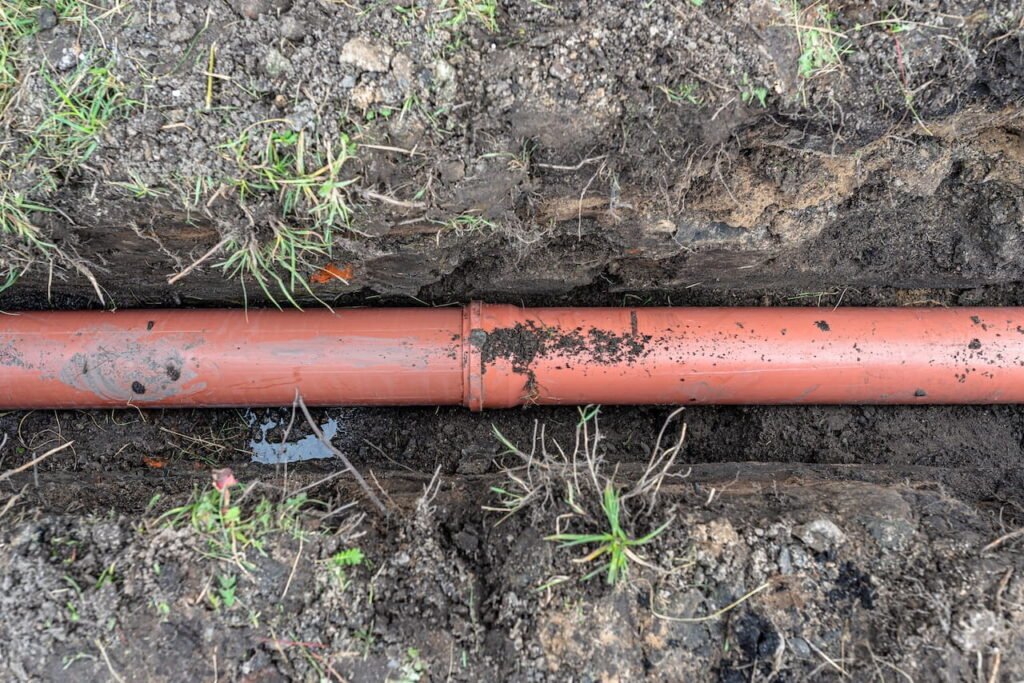
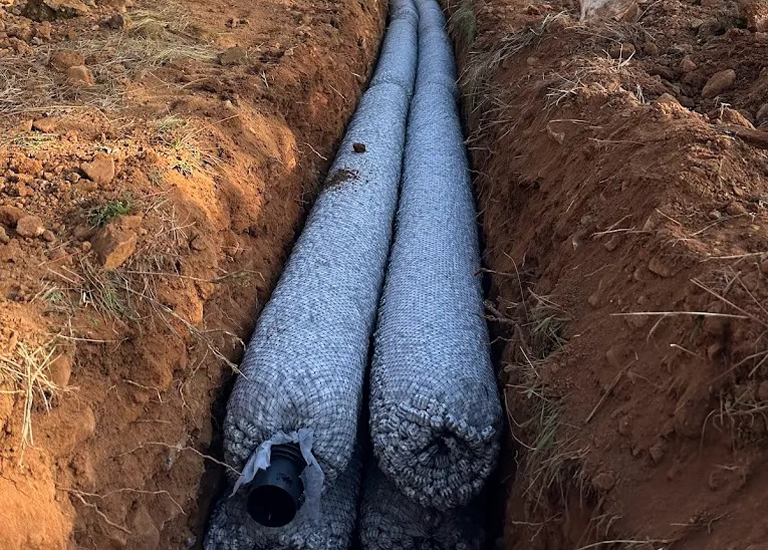
  • Drain field / drain trench excavation
  • Distribution box pits
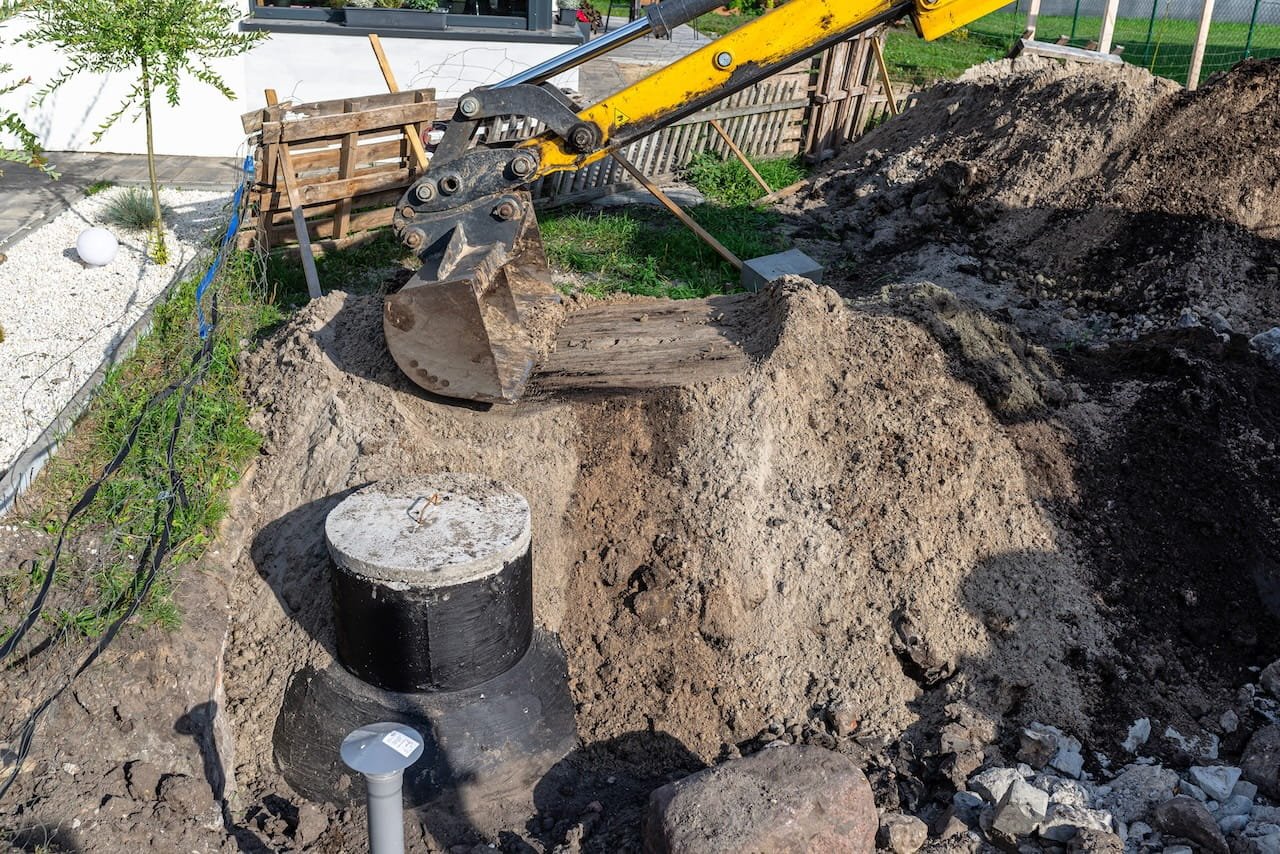
  • Backfill, compaction, and final grade
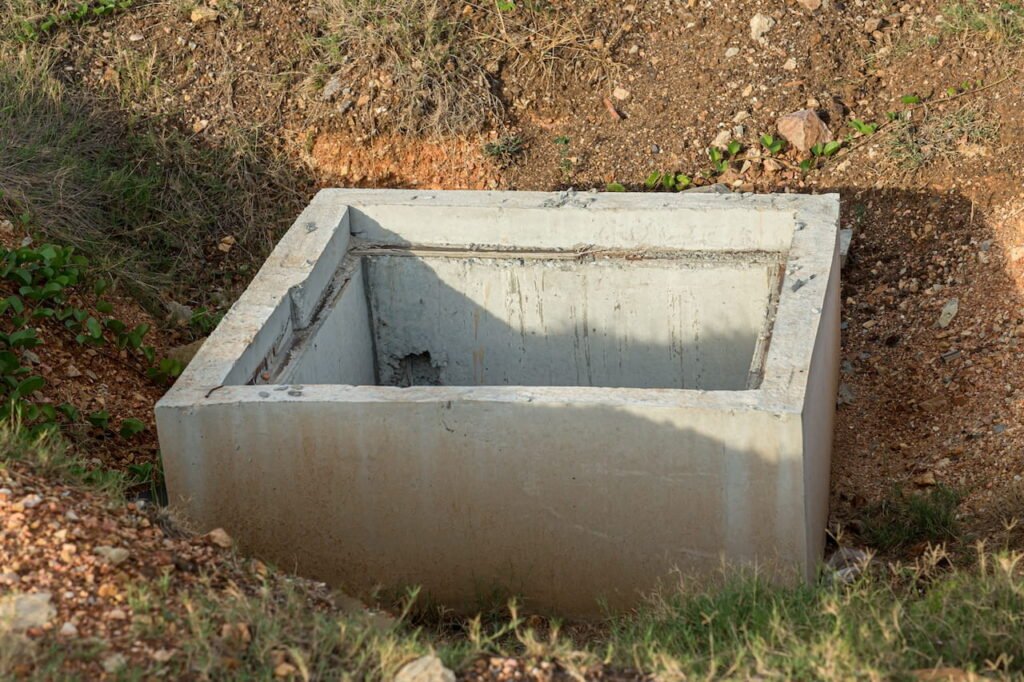
  • Demolition and removal of failed/old tanks (when permitted)

When Septic Excavation Is Part of Your Project

  • New home builds — Greenfield septic system excavation
  • System replacements — Excavating around failed tanks and drain fields
  • Drain field expansions — Adding capacity to existing systems
  • Permitted demolition — Removing old tanks before new installation
  • Site prep for licensed installers — We dig, they install

Our Septic Excavation Process

  1. Coordinate With Your Installer — Match dimensions, depths, and timing to their plan.
  2. Permits & Locates — Make sure county septic permitting and utility locates are clear.
  3. Tank Excavation — Dig a level, correctly-sized pad at the right depth.
  4. Drain Trench Excavation — Consistent trench depth and slope using laser level.
  5. Hand Off Clean Site — Ready for the installer with no surprises.
  6. Backfill After Install — Once the installer is done, we come back to backfill, compact, and restore grade.

Tools We Use for Septic Excavation

  • Excavator — Tank pits and drain field trenches at proper depth
  • Trenching Equipment — Consistent, code-compliant drain trenches
  • Pipe Laser Level — Hits the exact slope drain fields require
  • Compactor — Backfill compaction without damaging system components
  • Dump Truck — Hauling spoil and importing clean backfill material

Why Septic Installers and Builders Trust Us

  • We coordinate directly with your licensed installer — no guessing, no rework
  • Laser-accurate trench depths and slopes
  • Equipment ownership = we can schedule around the installer’s calendar
  • We’re local — we know Josephine and Jackson County septic permitting

Reviews From Real Southern Oregon Clients

Septic Excavation FAQs

Most residential French drains run 18 to 24 inches deep, but foundation drains are often deeper — sometimes 3 to 6 feet. The right depth depends on your soil, water source, and what you're protecting.

A properly installed French drain — with quality filter fabric, the right gravel, and clean pipe — typically lasts 30 to 40 years. Cutting corners on fabric or gravel is what kills them early.

Most residential French drains don't require a permit, but utility trenching and any drainage that discharges to a public right-of-way or wetland often does. We'll let you know up front and help coordinate.

We use clean, washed drain rock — typically 3/4" to 1-1/2" — wrapped in filter fabric to keep silt out. Avoid pea gravel or anything with fines as it will clog the system overtime.

Yes, but downspouts ideally go in their own solid pipe to a separate discharge point. Mixing them with perforated French drain pipe can cause backups.

Full-Service Excavation, Built Around Your Project

Whether you need a single trench dug or an entire lot graded and cleared, we bring the right machine and the right approach to every job.

French Drains & Trenching

Stop water damage at the source with properly engineered drainage solutions and clean, accurate trenching.
Soil Grading

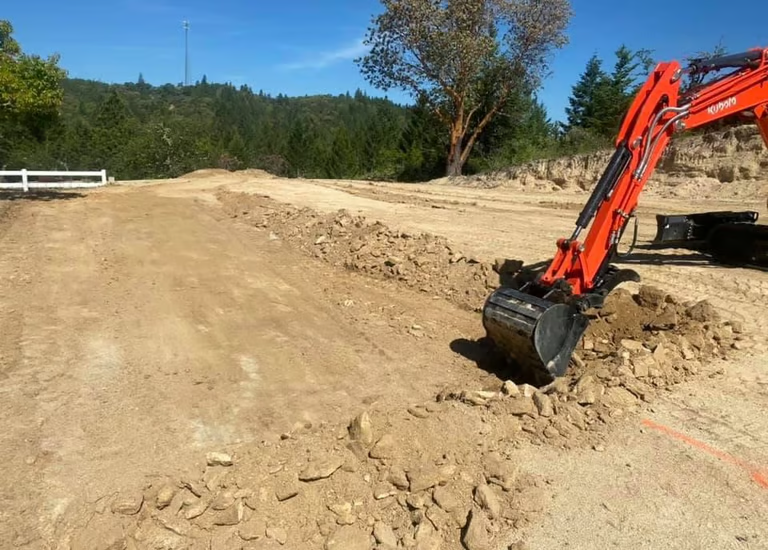
Precision rough and finish grading that protects your property from drainage problems and prepares it for what's next.
Landscaping

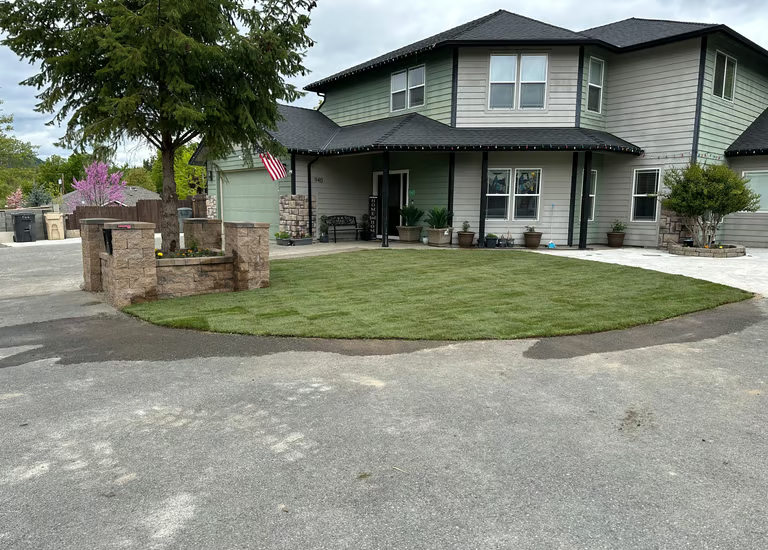
Excavation-driven landscape prep — from sod removal to soil shaping — so your yard projects start on solid ground.
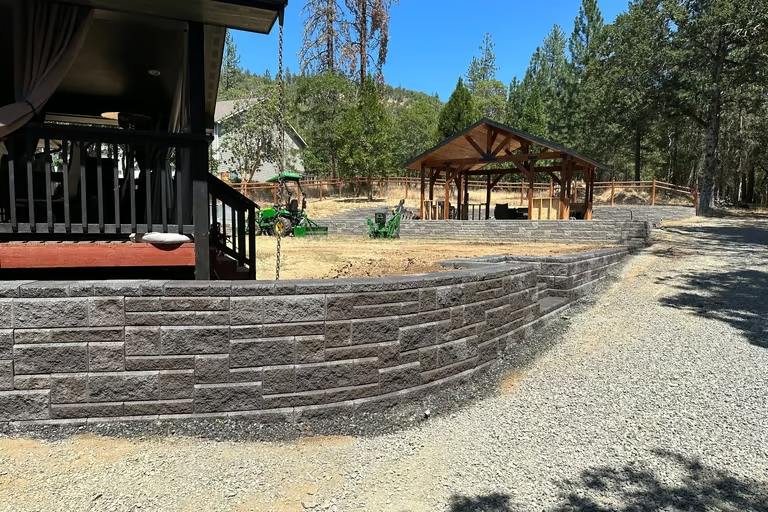
Retaining Walls

Engineered excavation and backfill for retaining walls that hold the line on slopes, terraces, and driveways.
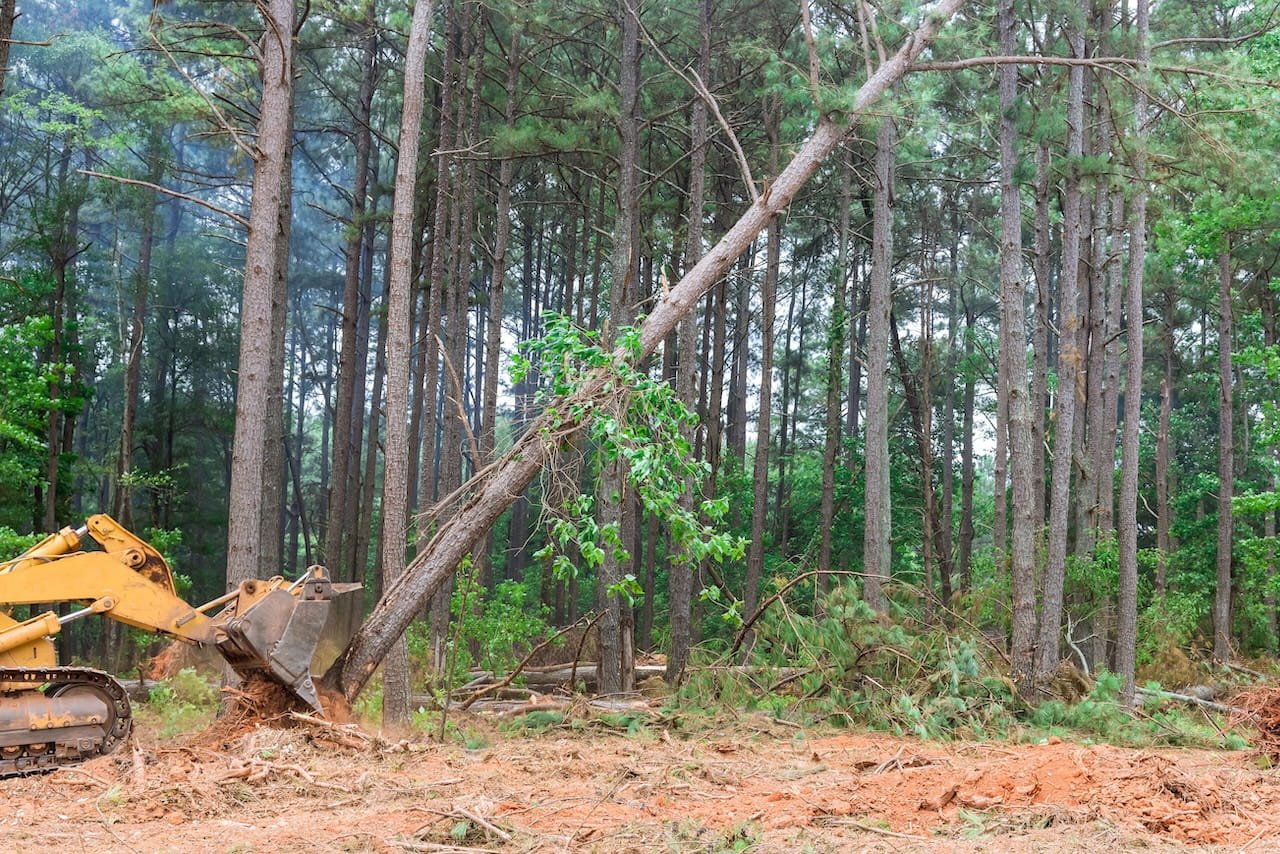
Land Clearing & Fuel Reduction

Brush mulching, stump removal, and defensible-space clearing to make your land usable — and safer in fire season.
Get the Excavation Side Handled Right

Free on-site quote. Coordinated with your installer. Clean, code-ready prep.